
Tag: Human Rights

  • State Responsibility to Prevent Climate Displacement

    State Responsibility to Prevent Climate Displacement

    In this article, the issue of climate displacement as one of the most significant humanitarian and human rights challenges of the twenty-first century is considered.

    It begins by outlining the global scale of the issue and the particular vulnerabilities faced by people displaced by climate-related hazards, and then proceeds to explore the normative foundations of state responsibility to prevent climate displacement and describes the measures governments can take to fulfill this obligation.

    It also emphasizes how poor and marginalized populations are disproportionately affected in all countries.

    Conclusions assess how climate displacement requires coordinated legislative, policy, and practical actions across disaster risk reduction, climate change adaptation, and development.

    Additionally, it explains how effective prevention must also build on international cooperation, supported by strong domestic legal and policy frameworks at national, regional, and global levels.

    Learn more about this article here: https://www.taylorfrancis.com/chapters/edit/10.4324/9781315622217-6/state-responsibility-prevent-climate-displacement-ezekiel-simperingham?context=ubx&refId=258f52a3-86b9-4521-b158-687f4dd3c292


    Reference

    Simperingham, Ezekiel (2017), “State responsibility to prevent climate displacement”,
    Climate Change, Migration and Human Rights, Routledge
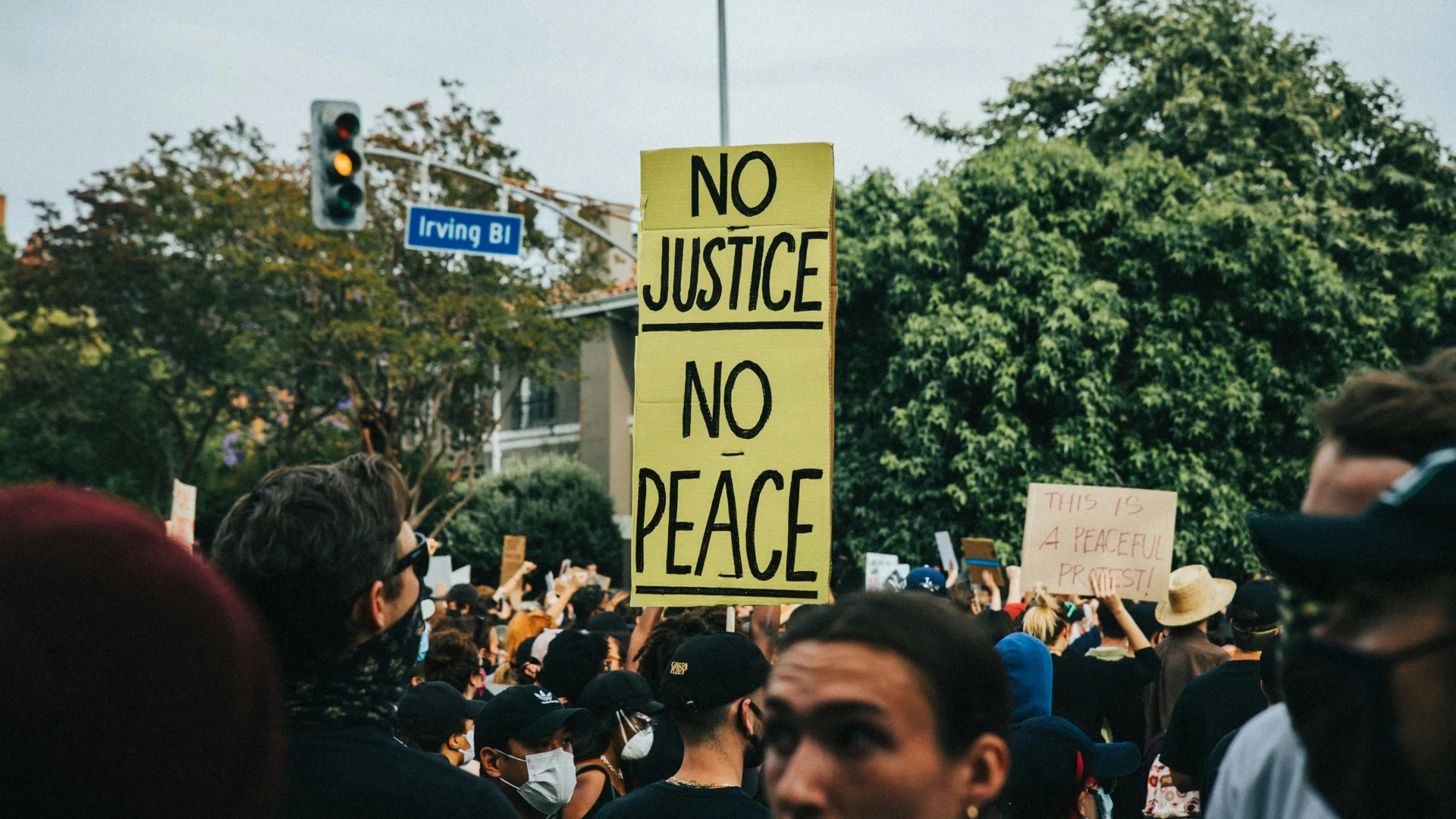
  • Climate Change, Human Rights, and Social Justice

    Climate Change, Human Rights, and Social Justice

    The environmental and health consequences of climate change are explored in this paper, reiterating how they profoundly affect human rights and social justice, with disproportionate impacts on low-income countries and vulnerable populations within high-income countries.

    It is noticed how environmental changes such as rising temperatures, altered precipitation patterns, extreme weather events, and sea-level rise threaten agricultural production, access to safe water, and worker productivity, and are forcing many people to leave uninhabitable or uncultivatable land.

    Climate change also generates serious health impacts, including heat-related illness, vector-borne and waterborne diseases, respiratory disorders, malnutrition, mental health problems, and increased violence. Together, these environmental and health effects threaten civil, political, economic, social, and cultural rights, including the rights to life, health, food, water, shelter, security, and culture.

    The most vulnerable groups include poor and marginalized populations, women, children, older adults, people with disabilities, and those living in climate-affected regions. Globally, low-income countries—despite contributing least to greenhouse gas emissions—are disproportionately affected and have fewer resources to adapt.

    In conclusion, the authors hypothesize on how climate adaptation and mitigation strategies must be designed to protect human rights, promote social justice, and avoid deepening existing inequalities.

    Learn more about this article here: https://doi.org/10.1016/j.aogh.2015.08.008


    Reference

    Levy, B. S., & Patz, J. A. (2015). Climate Change, Human Rights, and Social Justice. Climate Change, Global Health and Human Rights, 81(3), 310–322